
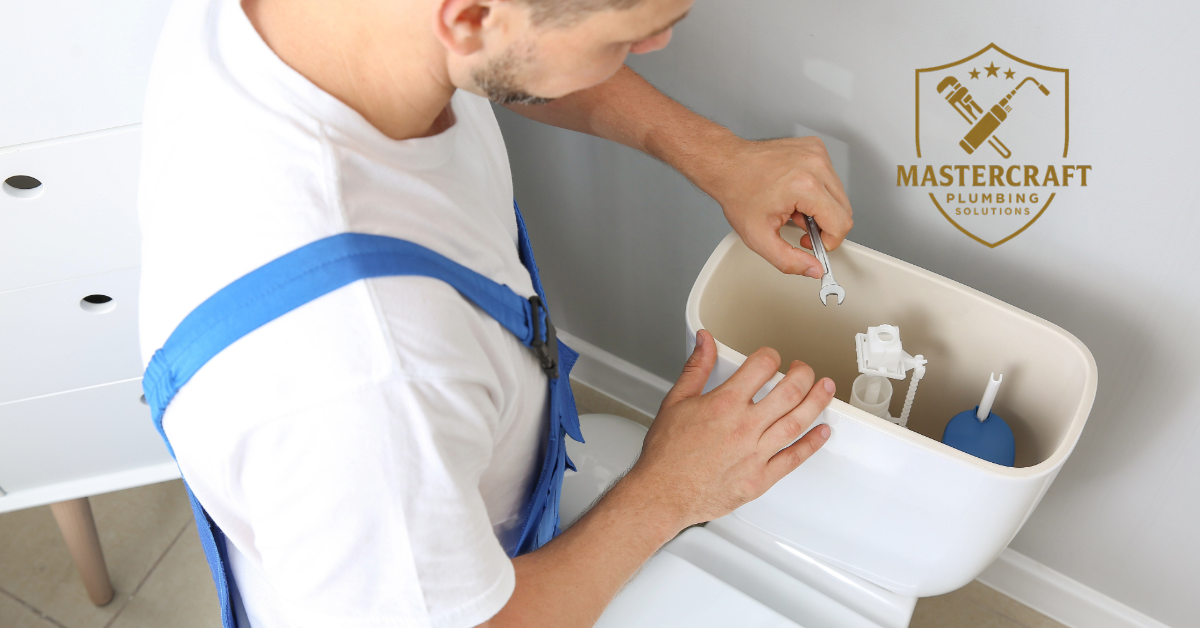
Toilet Keeps Running in DFW? Here’s What’s Usually Causing It
You usually notice it when the house finally gets quiet. Then you hear it: that steady “shhh” sound like the toilet is refilling for no reason. Nobody flushed, but the tank keeps topping off anyway.
In Dallas–Fort Worth, a running toilet shows up all the time in both residential homes and commercial restrooms. It starts as an annoyance, but it can turn into a bigger repair if the wrong part keeps cycling, day after day. The good news is most running-toilet problems come from a short list of causes, and you can usually figure out which one it is in a few minutes.
You usually notice it when the house finally gets quiet. Then you hear it: that steady “shhh” sound like the toilet is refilling for no reason. Nobody flushed, but the tank keeps topping off anyway.
In Dallas–Fort Worth, a running toilet shows up all the time in both residential homes and commercial restrooms. It starts as an annoyance, but it can turn into a bigger repair if the wrong part keeps cycling, day after day. The good news is most running-toilet problems come from a short list of causes, and you can usually figure out which one it is in a few minutes.
Why a running toilet matters in DFW
A running toilet isn’t just noise. It usually means water is leaking from the tank into the bowl, or water is spilling into the overflow tube. Either way, the fill valve keeps kicking on to replace water that shouldn’t be leaving the tank.
If you catch it early, you may only need a small adjustment or a simple part replacement. If you let it run for weeks, you can end up replacing multiple components, dealing with corrosion inside the tank, or discovering a separate issue like a weak flush, constant clogs, or moisture around the base.
The most common reasons a toilet keeps running
Most running toilets boil down to one of these issues. When you lift the tank lid and watch what happens, you can usually narrow it down quickly.
The flapper isn’t sealing
The flapper sits at the bottom of the tank and seals water in until you flush. When it wears out, it can leak slowly into the bowl, triggering periodic refills.
The chain is too tight or tangled
If the chain has no slack, it can hold the flapper slightly open. That tiny gap creates a silent leak that turns into frequent refilling.
The fill valve isn’t shutting off at the right level
If the fill valve can’t shut off cleanly, the tank keeps filling longer than it should. In some cases, it will never fully stop.
The float is set too high
If the float sits too high, the tank overfills and sends water into the overflow tube. That looks like “the toilet won’t stop running,” because water keeps moving even when nobody flushes.
The refill tube is positioned wrong
If the refill tube is shoved too far into the overflow tube, it can siphon water and keep the tank from stabilizing. That creates repeat fill cycles that feel random.
Fast way to tell what type of “running” you have
This is the quick diagnostic shortcut: pay attention to how it runs.
If the toilet runs constantly, it usually points to the fill valve, float level, or water spilling into the overflow tube. If it runs for a few seconds every 10–30 minutes, it often points to a slow leak past the flapper.
That one observation saves time and helps you avoid swapping parts that aren’t the real problem.
Five-minute checks you can do safely
You don’t need special tools to get useful clues. These checks are simple and low-risk, as long as you don’t overtighten anything.
Watch a refill cycle with the tank lid off
Flush once and watch the water level in the tank. If water rises and keeps flowing into the overflow tube, your float level is too high or the fill valve isn’t shutting off when it should.
Press down gently on the flapper
If the toilet is running and you press the flapper down and the sound stops, you likely have a flapper seal issue or chain interference.
Do the food coloring test
Add a few drops of food coloring into the tank and don’t flush for 10–15 minutes. If you see colored water in the bowl, water is leaking past the flapper into the bowl.
Check the chain slack
The chain should have a little slack when the flapper is closed. If it’s pulled tight, shorten it the right way or re-hook it so the flapper can sit fully flat.
Look for water movement in the bowl
If the bowl water shows a faint ripple when nobody is using the toilet, that often points to tank-to-bowl leakage.
What not to do (common “fixes” that backfire)
A running toilet can tempt people into quick moves that create new problems. A careful adjustment beats brute force.
Don’t crank the float adjustment aggressively
If you force the adjustment without watching overflow behavior, you can make the tank overfill or create inconsistent shutoff.
Don’t use tank tablets that eat rubber parts
Some tablets and chemicals can break down the flapper and seals faster, which creates more leaks and more service calls.
Don’t overtighten fittings
A lot of toilet parts are plastic. If you tighten too hard, you can crack a fitting and turn a simple running toilet into a leak.
Don’t ignore “it only runs sometimes”
That’s often the early stage of a flapper leak. It typically gets worse, not better.
When it’s time to call a plumber in Keller, Flower Mound, and nearby
If the toilet still runs after basic checks, the issue may involve multiple worn parts, a failing fill valve, or a setup problem that needs proper adjustment. It’s also time to call if you see water at the base, frequent clogs, weak flushing, or gurgling sounds in nearby drains.
Mastercraft Plumbing serves DFW with service calls that include Keller, Flower Mound, Southlake, Grapevine, Colleyville, and Roanoke. If you live or work in one of those areas and the toilet won’t stop running, a fast diagnosis can keep it from becoming a bigger repair.
What Mastercraft Plumbing does on a running-toilet service call
A solid repair isn’t guessing. It’s finding the failure point, correcting it, and confirming the toilet shuts off properly over multiple flush cycles.
On a running-toilet call, we typically inspect the flapper, chain, fill valve, float, refill tube, and overflow setup. Then we confirm whether the leak path is tank-to-bowl or overflow-related, replace worn parts with correct-fit components, and adjust refill settings so the tank stops at the right level.
We also test multiple flushes and watch for silent leakage so you don’t end up right back where you started a week later.
How to prevent your toilet from running again
Toilet parts wear out. Prevention mostly comes down to catching small signs early and fixing them before they become constant running.
If you hear periodic refilling, do the food coloring test and address the flapper early. Keep the tank area clean so buildup doesn’t interfere with seals. If one toilet in the home starts acting up, check the others too, because parts often age around the same time.
In commercial settings, it helps to handle small toilet issues quickly. A constantly running toilet in a business restroom usually gets worse faster because of frequent use.
FAQs about running toilets
Can a running toilet really raise my water bill?
Yes. Even a small leak can trigger repeated refills over the course of a day. That adds up fast over a billing cycle.
Is it always the flapper?
No. The flapper is common, but fill valves and float settings cause plenty of running-toilet problems too.
Why does it run only sometimes?
That usually points to a slow tank-to-bowl leak. The tank refills periodically to replace what leaked out.
Should I keep flushing to “reset” it?
No. Flushing won’t fix a leaking seal and it can wear parts faster.
Is a running toilet an emergency?
Usually not, but treat it more urgently if you see water at the base, the toilet overflows, or multiple drains start acting weird at the same time.
Need toilet repair in DFW?
If your toilet keeps running, you don’t have to live with the noise or keep paying for water that shouldn’t be running. Mastercraft Plumbing helps homeowners and businesses across Dallas–Fort Worth, including Keller, Flower Mound, Southlake, Grapevine, Colleyville, and Roanoke.
If you want it fixed quickly and correctly, give us a call and we’ll diagnose the cause, handle the repair, and confirm the toilet shuts off like it should.